Salt Water Pool = Chlorine-Free Pool? Think Again.
So you are thinking about getting a pool or maybe upgrading the one you have, and you keep hearing about salt water this and salt water that. It can get super confusing, right? There are so many myths floating around.
Today we are going to clear the water on this whole debate: salt water versus good old-fashioned chlorine.
The Biggest Misconception
Let me ask you a question straight up: when you hear “salt water pool,” what is the first thing you think? Your gut reaction is probably that it is a chlorine-free pool. Right? I mean, it is in the name.
Spoiler alert: it is not chlorine-free. Not even a little bit.
Honestly, “salt water pool” is probably one of the most misleading names out there. A salt water pool is a chlorine pool. The big difference—the big twist—is not about getting rid of chlorine. It is about making it in a smarter way.
How Salt Water Chlorine Generators Work
It all comes down to a really clever piece of tech called a salt water chlorine generator, or SCG for short. Think of this thing as the heart of the whole system.
It takes regular old salt (sodium chloride)—just a pure version of what is on your dinner table—and uses a tiny bit of electricity to create fresh, pure chlorine on demand right in your own pool.
The Process, Simplified
- You dissolve some special pool-grade salt right into the water
- As that slightly salty water gets pumped through the generator, it passes through something called a cell
- Inside that cell, a process called electrolysis zaps the salt, splitting it apart and creating brand new chlorine
It is literally like having your own little chlorine factory working 24/7 to keep your pool perfectly clean.
Busting the Saltiness Myth
If you are dumping all this salt in your pool, does that mean your backyard is going to feel like a trip to the beach? Are you going to get that stinging eye, super salty taste experience?
The answer is a huge NO. It is not even close.
The Numbers Tell the Story
- Ocean water: About 35,000 parts per million (ppm) of salt
- Salt water pool: Just 3,000 ppm
- Your own tears: Actually three times saltier than a salt water pool!
Here is the kicker: most people cannot even taste salt in water until it hits about 3,500 ppm. Pool operators keep salt water systems running just below that level on purpose. So for most people, you will not taste any salt at all—you just feel this soft, fresh water on your skin.
Salt Does Not Sanitize
Here is the other myth we have to bust for good: the salt itself is not what cleans your pool. It has no sanitizing power.
Think of it like this: salt is the fuel, and the chlorine generator is the engine. The engine uses the fuel to create the power (in this case, chlorine), which is what actually does all the heavy lifting and keeps your pool sparkling clean.
Why People Love Salt Water Pools
So if it is not about being chlorine-free, and it is not like swimming in the ocean, why do so many people just rave about their salt water pools?
It really all comes down to the experience:
- Softer water: The number one thing you will hear is that the water just feels softer, almost silky on your skin
- Gentler on eyes and hair: Because the chlorine is being made constantly and consistently, you do not get out feeling all dry and itchy
- No harsh pool smell: That smell is not actually chlorine—it is a byproduct called chloramines, which salt systems minimize
- No chemical handling: Say goodbye to buying, hauling, or handling heavy buckets of chlorine tablets or jugs of liquid chlorine
Once you get used to that soft feel of a salt water pool, going back to a traditionally chlorinated one can feel… well, pretty harsh. That comfort factor is a massive deal for people.
Which System Is Right for You?
Look, it really boils down to your priorities.
Choose Salt Water If:
- That softer, gentler swim experience is number one for you
- You hate the idea of handling chlorine
- You are okay with a bigger investment upfront for way more convenience down the road
Choose Traditional Chlorine If:
- A lower initial cost is your top priority
- You really do not mind the weekly routine of testing your water and adding chemicals yourself
Cost Comparison
Your upfront cost for salt water is definitely higher because you have got to buy that generator. But your ongoing costs are much lower—just a few bags of inexpensive salt per year.
With traditional chlorine, the setup is cheaper, but you are signing up for years of buying pricey chlorine tablets or liquid.
The one big maintenance item to remember for salt systems is that the generator cell will need to be replaced every few years—and that is a pretty significant expense to plan for.
The Bottom Line
Now you know the real story. The question you have got to ask yourself is: what is more important for your perfect backyard oasis? Is it saving money on day one, or is it investing in years of daily comfort and convenience?
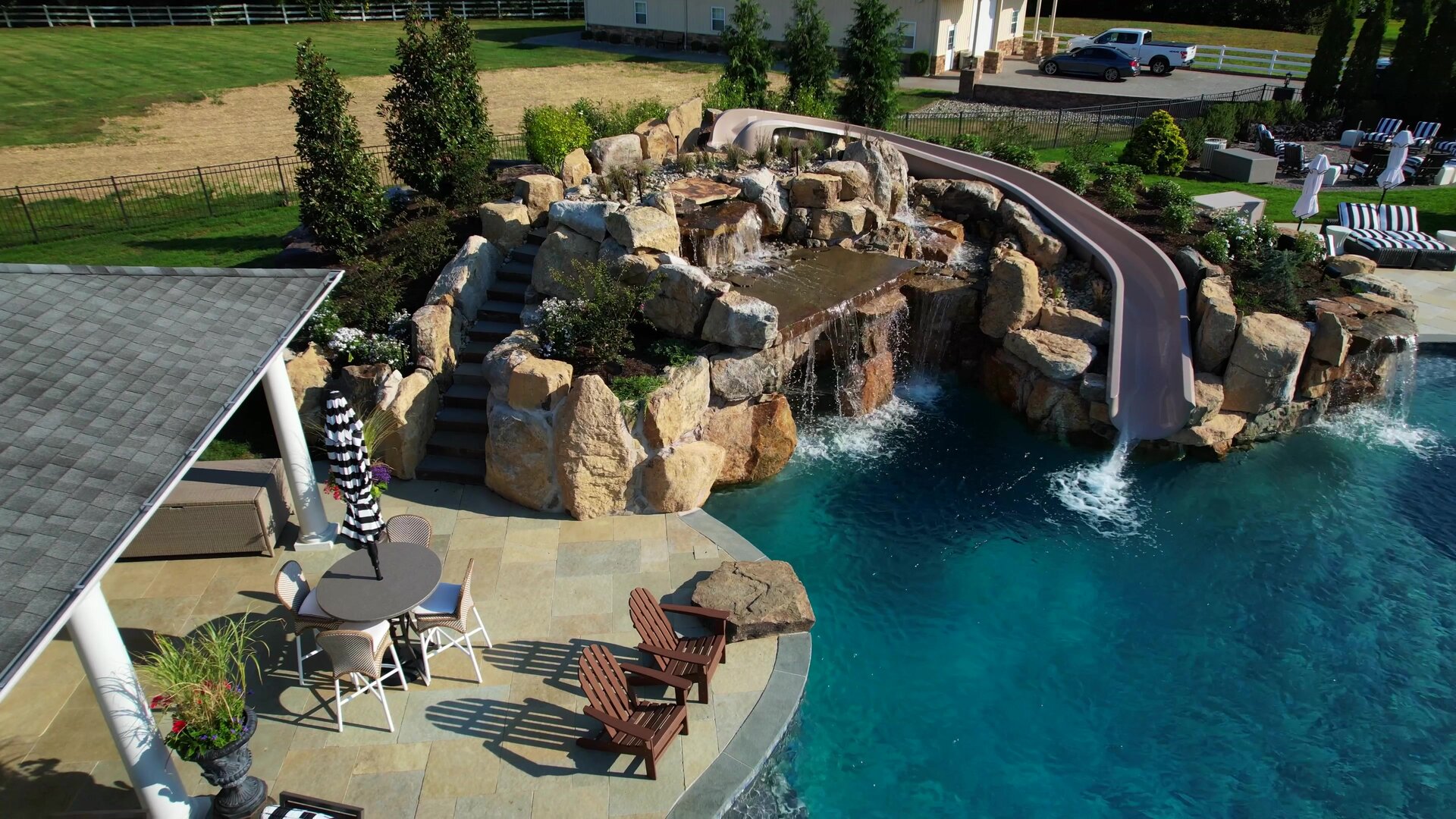
Whether you choose salt or traditional chlorine, nothing takes a pool to the next level like an amazing water feature. If you are in New Jersey, Pennsylvania, Delaware, or Maryland, the team at Aquatic Artists are masters at designing incredible custom waterfalls and grottoes that look amazing with any pool system.